Cleanup Systems
The unsung critical path of service operations. Warewashing systems ensure continuous throughput.
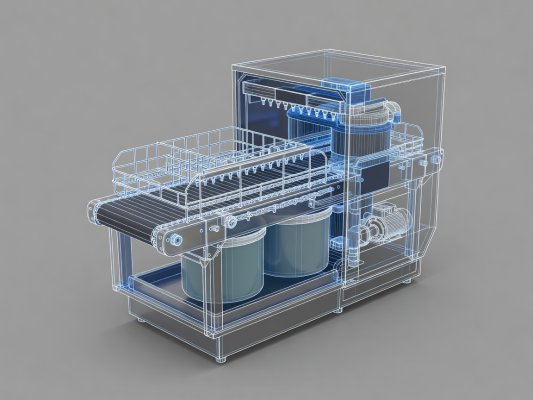
The Mechanics of Warewashing
A restaurant without clean plates ceases to function within minutes. Commercial warewashing is heavily regulated by health codes, requiring strict adherence to temperature and chemical parameters to achieve true sanitization, not merely visual cleanliness.
Industrial dishwashers are classified primarily by their sanitization method:
Thermal Sanitation
These units rely on integrated booster heaters to flash water temperatures to a minimum of 180°F (82°C) during the final rinse cycle. The intense heat physically destroys pathogens and allows dishware to flash-dry instantly upon removal, speeding up turnaround.
Chemical Sanitation
Operating between 120°F and 140°F, these machines use a specific dosing of chemical sanitizers (chlorine, iodine, or quaternary ammonium) in the final rinse. While more energy-efficient regarding water heating, they require ongoing chemical procurement and can leave slight residues on delicate glassware.
Throughput and Format
The physical footprint of the cleanup zone dictates the machinery. Undercounter units process roughly 30 racks per hour, suited for bars and cafes. Door-type (or hood) machines are the standard for mid-size venues, processing 50-60 racks per hour in a straight-line or corner format.
For high-volume institutional settings, Conveyor (Flight-type) systems act as a continuous assembly line, dragging racks through distinct wash, power rinse, and final sanitize zones, capable of processing over 200 racks per hour.
← Return to Systems Overview